
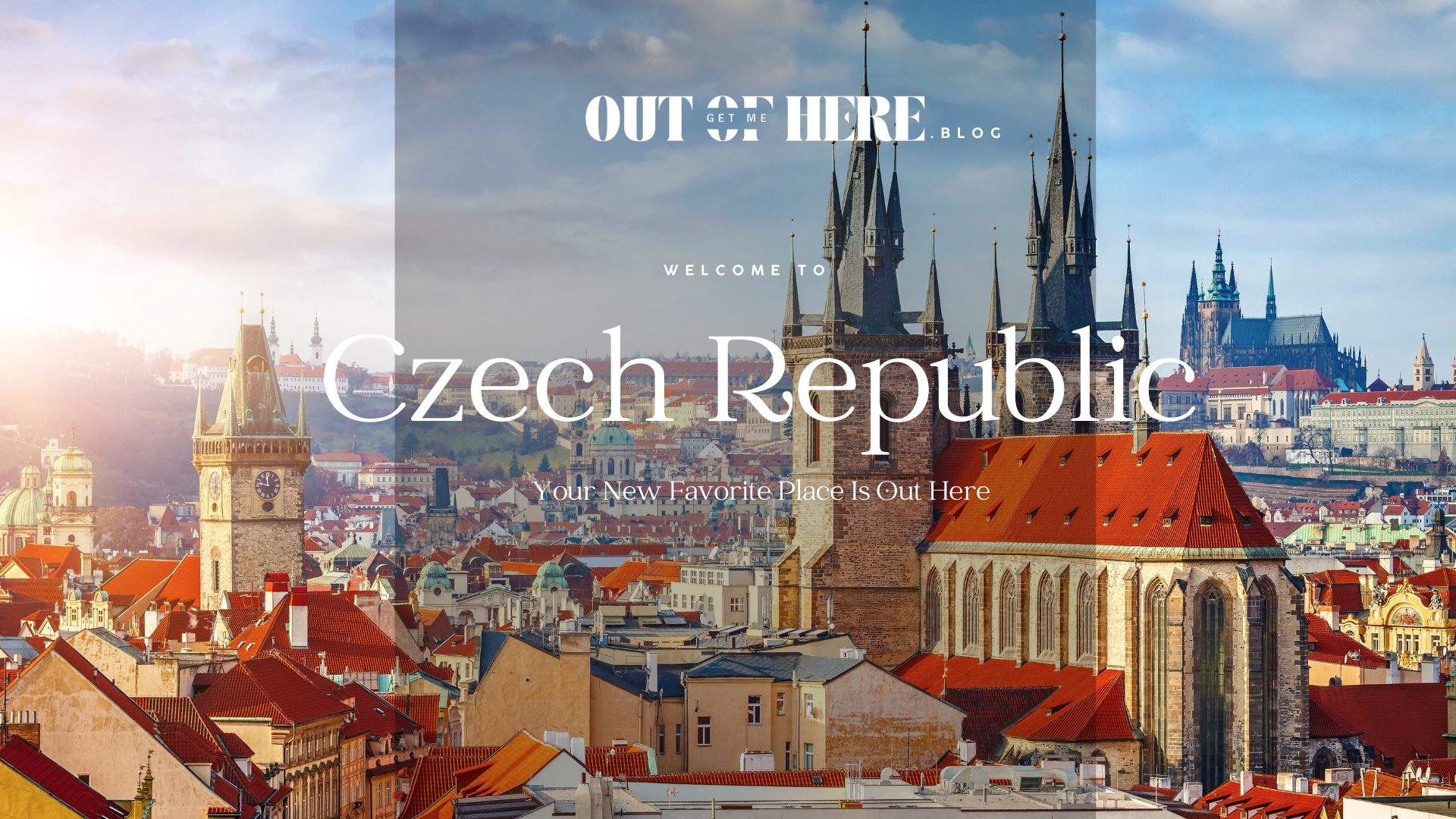
Prague is one of those cities that feels almost unreal at first. Cobbled streets twist between pastel townhouses, spires and church towers spike the skyline, and the Vltava River quietly splits the city in two. It’s romantic without trying too hard, historic without feeling like a museum, and surprisingly easy on the budget compared to many other European capitals.
Whether you’re here for a long weekend or using Prague as a base for a bigger Europe trip, the city is compact, walkable, and packed with things to see – from medieval lanes and castles to beer gardens and alternative art spaces. This guide will walk you through when to visit, where to stay, what not to miss, and how to experience Prague beyond the standard postcard shots.
When to Visit Prague
Spring (April–June)
Spring is one of the best times to visit Prague. The weather is mild, trees are in bloom, and outdoor cafés and beer gardens start to come alive. Crowds are growing but still manageable compared to peak summer.
Summer (July–August)
Expect warm temperatures, long daylight hours, and a busy, buzzy city. This is high season: higher prices, longer queues at main attractions, and more tour groups in the Old Town. If you visit in summer, explore popular spots early in the morning or in the evening and save the afternoons for parks, riverside walks, and cafés.
Autumn (September–October)
Another sweet spot. Cooler air, changing leaves in the city’s many parks, and fewer crowds than summer. It’s a great time for photography and comfortable sightseeing.
Winter (November–March)
Prague can be cold and grey, but also atmospheric – especially around Christmas markets. If you don’t mind the chill, you’ll find cheaper accommodation, fewer tourists, and the city’s Gothic architecture looking especially dramatic in low winter light or under a dusting of snow.
Where to Stay in Prague: Best Areas
Old Town (Staré Město)
Great for first-time visitors who want to be in the middle of everything. You’ll be able to walk to most major sights, but you’ll pay more and share the streets with plenty of other tourists.
Lesser Town (Malá Strana)
On the castle side of the river, Malá Strana is full of baroque buildings, narrow alleys, and viewpoints. It’s quieter at night than the Old Town but still very central.
New Town (Nové Město)
Despite the name, it’s still historic – just a bit less postcard-perfect and more “everyday city.” Good for restaurants, bars, and a more local feel while staying close to the centre.
Vinohrady & Žižkov
Perfect if you prefer a neighbourhood vibe over a tourist hub. These areas are known for leafy streets, cool cafés, beer gardens, and a younger, local crowd. You’ll need to use trams or walk a bit longer to reach the main sights, but you’ll see a more authentic side of Prague.
Must-See Sights in Prague
Charles Bridge
Prague’s iconic stone bridge is beautiful at sunrise and sunset, but it’s also one of the busiest spots in the city. If you want quiet photos and some breathing room, go as early as you can.
Old Town Square & Astronomical Clock
The heart of historic Prague, framed by colourful buildings and churches. The Astronomical Clock puts on its mechanical show every hour, but it’s equally interesting to simply step back and admire the details.
Prague Castle & St. Vitus Cathedral
More of a complex than a single building, Prague Castle includes courtyards, churches, palaces, and viewpoints. Allow at least half a day to wander, and don’t skip St. Vitus Cathedral’s stained glass windows and rooftop views over the city.
Josefov (Jewish Quarter)
A small but historically significant neighbourhood with synagogues, a cemetery, and museums that tell the story of Jewish life in Prague. It’s a moving and essential part of the city’s history.
Beyond the Obvious: Less Touristy Prague
Vyšehrad
Often overlooked by first-time visitors, this hilltop fortress offers peaceful walks, a beautiful church and cemetery, and sweeping views over the Vltava River with far fewer crowds.
Letná Park
Come here for a relaxed walk, a beer in the garden overlooking the city, and some of Prague’s best skyline views. Ideal for sunset.
Holešovice & Karlín
Formerly industrial districts now full of creative spaces, galleries, cafés, and modern restaurants. If you enjoy seeing the “real city” beyond the historic core, spend a few hours wandering these areas.
Food & Drink in Prague
Traditional Czech food leans hearty: think roasted meats, dumplings, rich sauces, and soups. You’ll also find lighter and modern takes in newer bistros, as well as excellent international food.
Try at least once:
- Svíčková – Beef in a creamy vegetable sauce, usually served with bread dumplings and cranberries.
- Guláš – Thick goulash, often beef-based, perfect with a beer.
- Trdelník – A rolled pastry sold in the tourist centre; more a fun street snack than a local staple, but hard to resist when it’s warm.
And of course, there’s the beer. The Czech Republic has a long brewing tradition and you’ll find everything from classic lagers in traditional pubs to craft beers in modern bars. Beer is often cheaper than soft drinks, but don’t worry – there’s great coffee culture here too.
Getting Around
Prague is compact and very walkable, especially in the central districts. For longer distances:
- Trams and Metro: Efficient, affordable, and easy to use. Buy tickets from machines or kiosks and validate them before you ride.
- Rideshares and taxis: Available, but for most visitors, public transport plus walking is enough.
- Airport to city: Usually a combination of bus + metro or airport shuttle + tram, depending on where you’re staying.
Costs & Practical Tips
- Budget: Generally cheaper than Western European capitals, especially for food and beer, though prices in the very centre are rising.
- Currency: Czech koruna (CZK) – many places accept cards, but having some cash helps in smaller cafés or markets.
- Language: Czech is the official language, but you can get by in English in most tourist-facing places. Learning a few basic Czech phrases is appreciated.
- Safety: Prague is generally safe. Watch out for pickpockets in crowded areas like Charles Bridge, Old Town Square, and on busy trams.
Optional: Short 2–3 Day Itinerary
Day 1: Old Town, Charles Bridge, Lesser Town, sunset at Prague Castle
Day 2: Jewish Quarter, New Town, Wenceslas Square, Letná Park
Day 3 (optional): Vyšehrad, Vinohrady/Žižkov cafés, beer garden evening